Requirements
- 2‑Day Course – Safe Operation of Internal Transport Equipment
- Target group – Very experienced operators
Target Audience
- Minimum age: 16 years
- No prior training required
- For company training: vehicles must be available on‑site
Certified Skills, Better Opportunities.
-
LevelIntermediate
-
Duration14 hours
-
Last UpdatedSeptember 13, 2025
-
Enrollment validityEnrollment validity: Lifetime
-
CertificateCertificate of completion
Description
2‑Day Course: (includes free EPT training)
For very experienced operators who need certification or renewal.
Course Structure:
Theory – E‑learning:
• Participants complete the online theory module at their own pace before the practical day(s).
• Covers legislation, safety rules, vehicle operation principles, and hazard prevention.
Practical Lessons:
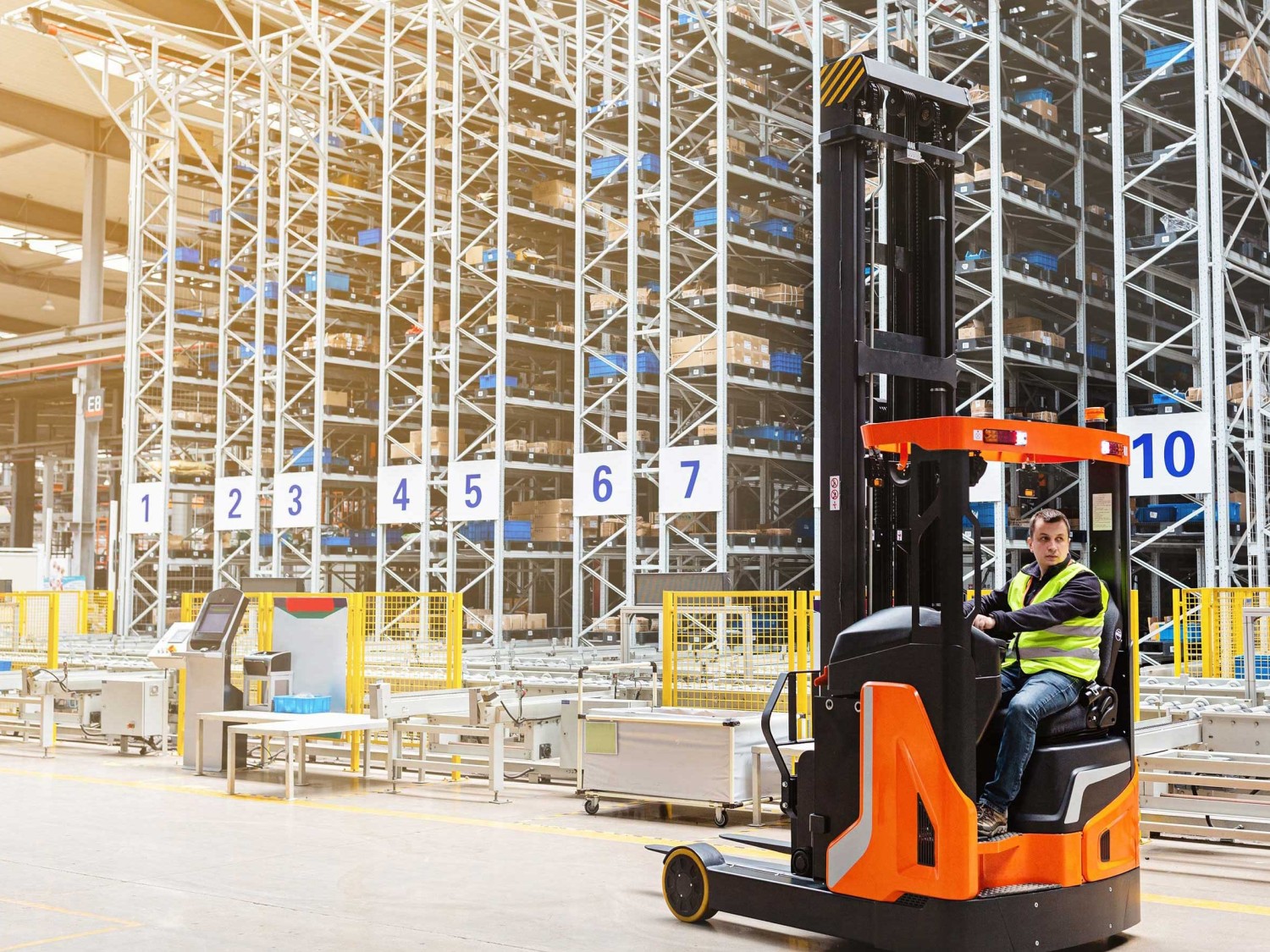
• Hands‑on driving sessions in our logistics hall or at your company site.
• Focus on safe maneuvering, load handling, and precision driving.
Assessment:
• Written theory test and continuous practical competency evaluation.
Target group:
Very experienced operators
2‑Day Course – Safe Operation of Internal Transport Equipment
Target group:
Operators with limited experience or who need extra practice
Program:
• Online theory (e‑learning) – to be completed in advance
• 2 days of combined practice and theory review on site
• More time to build confidence and develop safe driving skills
Facilities
Our training centers provide:
• Modern logistics halls with pallet racks, drive‑in racks, and ground storage
• A wide variety of loads for realistic practice
• Flexible, practice‑oriented training tailored to each participant
Prerequisites
• Minimum age: 16 years
• No prior training required
• For company training: vehicles must be available on‑site
• Legal requirements and workplace safety regulations
Certification
Upon successfully passing theory and practical tests, participants receive:
• Digital certificate (valid for 5 years)
• Physical Arbo pass for proof of competence
What I will learn?
- Vehicle inspection and maintenance
- Lifting mechanisms and load charts
- Working safely under time pressure
- Defensive driving techniques
- Handling different loads (drums, IBCs, cable reels, long beams)
- Ergonomics and correct posture
- Legal requirements and workplace safety regulations
Course Curriculum
Module 1 – Introduction to Forklift Operations
The Forklift Training Course at Negu Training Center equips participants with the knowledge, skills, and certification needed to operate forklifts safely and efficiently in a logistics or warehouse environment.
Through a hybrid learning approach combining e-learning theory and hands-on practical sessions, participants gain a solid understanding of safety regulations, equipment handling, and operational techniques.
-
Lesson 1.1: What is a Forklift?
25:24 -
Lesson 1.2: Roles & Responsibilities
10:00
Module 2 – Safety Regulations & Legal Framework
-
Lesson 2.1: Dutch & EU Safety Standards
-
Lesson 2.2: Workplace Hazards
-
Workplace Safety & Legal Rules (12 questions)
-
Scenario-based task – Identify five potential hazards in a warehouse image and describe how to avoid them.
Module 3 – Forklift Components & Pre-Operational Checks
-
Lesson 3.1: Forklift Anatomy
10:00 -
Lesson 3.2: Daily Inspections
-
Lesson 3.3: Equipment Maintenance Basics
Module 4 – Load Handling & Stability
-
Lesson 4.1: Understanding Load Charts
-
Lesson 4.2: Safe Lifting Techniques
-
Lesson 4.3: Center of Gravity & Stability Triangle
Module 5 – Forklift Driving Techniques
-
Lesson 5.1: Basic Driving Skills
-
Lesson 5.2: Maneuvering in Tight Spaces
-
Lesson 5.3: Defensive Driving
Module 6 – Special Environments & Risk Management
-
Lesson 6.1: Operating on Different Surfaces
-
Lesson 6.2: Working Under Pressure
-
Lesson 6.3: Emergency Procedures
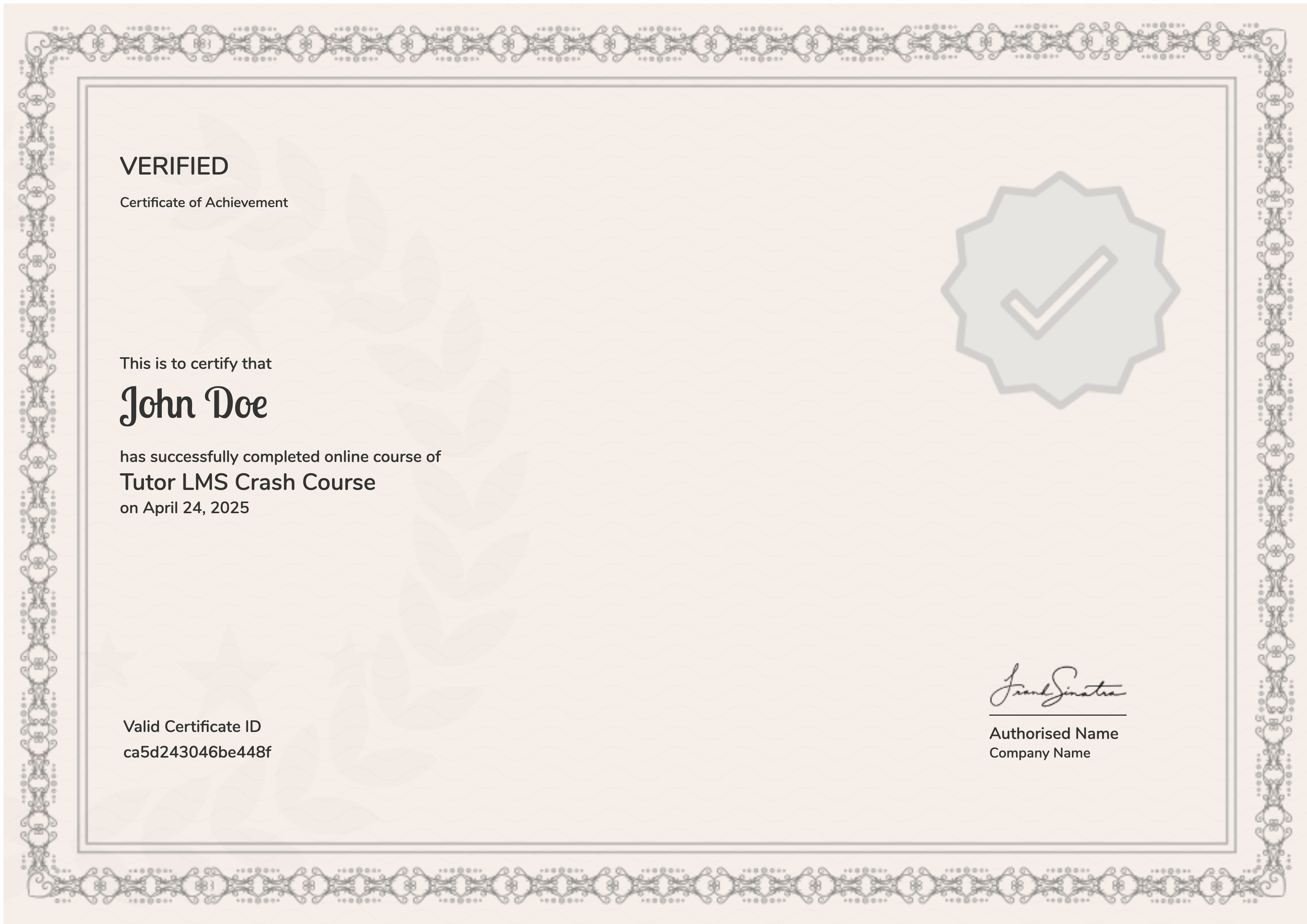
Earn a certificate
Add this certificate to your resume to demonstrate your skills & increase your chances of getting noticed.
Ratings & Reviews
A course by
Invest in Skills.
Secure Your Future.
- Online theory (e‑learning) – to be completed prior to the course day
- 2 day of practical training and assessment
- Written theory exam + practical driving test
- Modern logistics halls with pallet racks, drive‑in racks, and ground storage
- A wide variety of loads for realistic practice
- Flexible, practice‑oriented training tailored to each participant